
How to Use Data to Increase Sales Without Increasing Ad Spend
Before buying more traffic, use the data already inside your business to identify conversion gaps, valuable customer segments, retention opportunities and products with stronger revenue potential.
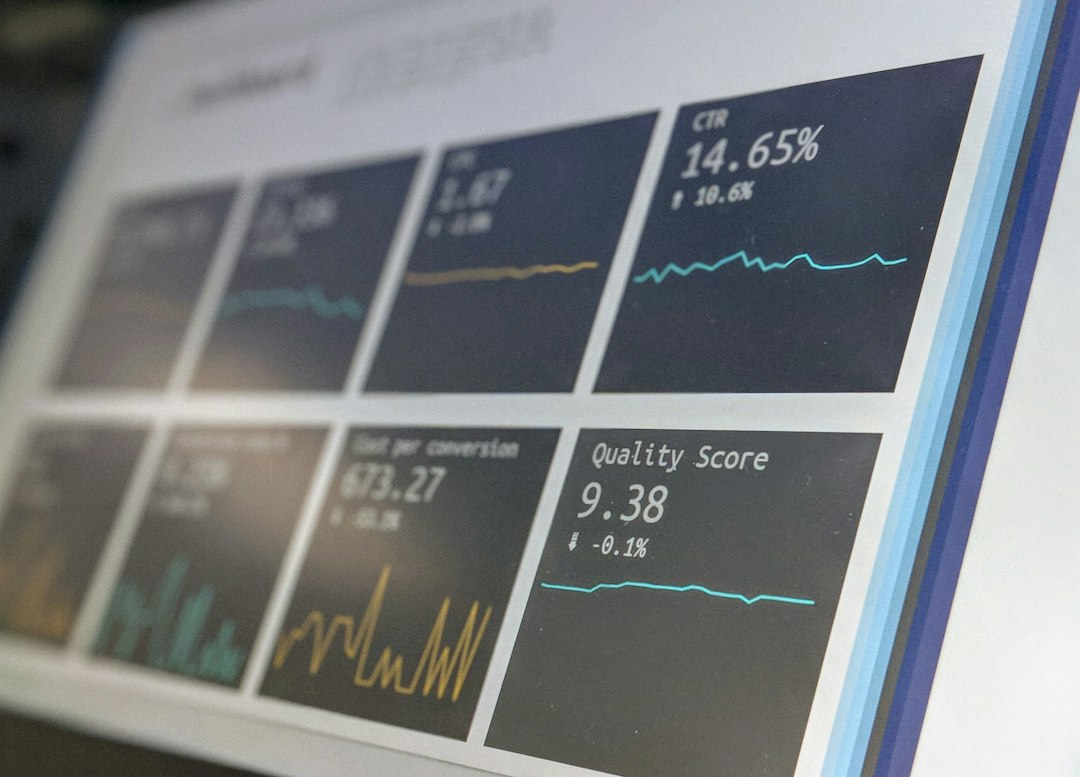
Why Better Data Can Improve Revenue Efficiency
Advertising can increase reach, but it cannot compensate for every problem inside the customer journey. If conversion, repeat purchase or follow-up is weak, additional traffic may simply increase the amount of lost opportunity.
Data helps the business decide what to fix first.
1. Build a Single Revenue View
Start with a reliable view of orders or deals, revenue, refunds, margin where available, customer status and source. Remove duplicate definitions across teams so everyone uses the same basic numbers.
2. Analyze the Funnel
Track the stages that matter for your business—from visit to inquiry, product view to checkout, lead to proposal or proposal to sale. A large drop between two stages identifies where investigation should begin.
3. Compare New and Returning Customers
Separate first-time revenue from repeat revenue. A business with strong acquisition but weak repeat purchase may have an experience, product or retention issue rather than a traffic issue.
4. Segment by Customer Value
Not every customer should receive the same communication. Identify high-value customers, recent customers, frequent buyers, inactive customers and category-specific buyers.
Segmentation makes retention campaigns more relevant and easier to measure.
5. Identify Product and Offer Opportunities
Review products with high traffic but low conversion, products frequently purchased together, products with strong repeat purchase and categories with better margin or retention.
These insights can guide bundling, cross-sell, merchandising and content priorities.
6. Use Cohort and Retention Analysis
Group customers by first purchase month, acquisition source or first product and compare what happens over time. Cohorts help reveal whether customer quality is improving or declining even when total sales look stable.
7. Improve Sales Follow-Up With CRM Data
For service and B2B businesses, analyze response time, stage conversion, reasons for loss and follow-up completion. A better sales process can create more revenue from the same lead volume.
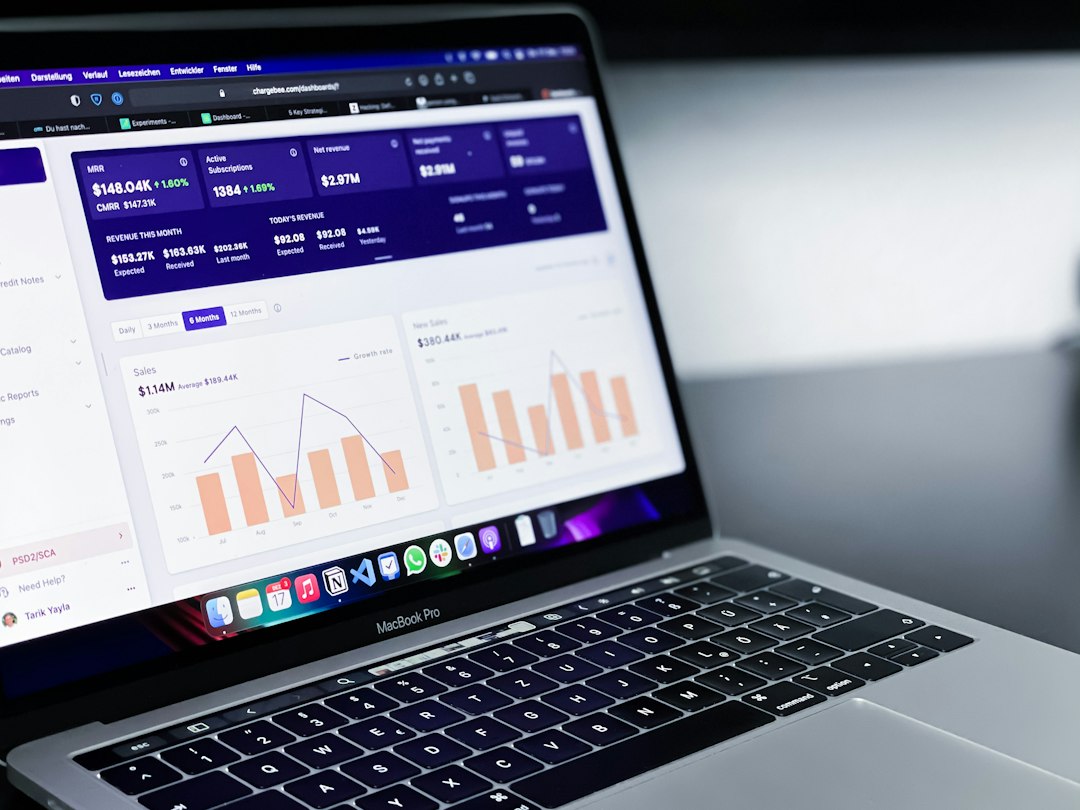
8. Build a Weekly Management Dashboard
A useful dashboard should answer a small set of questions: Are we growing? Where are we losing revenue? Which customers and products are improving? What needs action this week?
Avoid dashboards that show activity without supporting a decision.
A Simple Data-to-Action Routine
- Review core KPIs weekly.
- Choose one abnormal or high-opportunity metric.
- Investigate the customer or process behind it.
- Run one focused improvement.
- Measure the result before expanding the change.
Final Takeaway
The objective is not to collect more data. It is to make better commercial decisions from the data you already have. Improving conversion, follow-up and retention can increase sales efficiency before you increase ad spend.
Apply These Ideas to Your Business
Move from insight to implementation with the solution that fits your current business stage.
Need help turning this into a practical implementation plan?
We connect business strategy, digital systems, AI, automation and data with clear implementation priorities.
