
How Ecommerce Businesses Can Increase Sales Without Only Depending on Ads
Paid advertising can bring traffic, but sustainable ecommerce growth comes from improving the full revenue system: product discovery, conversion, average order value, repeat purchase, retention and customer experience.
Why More Ad Spend Is Not Always the Answer
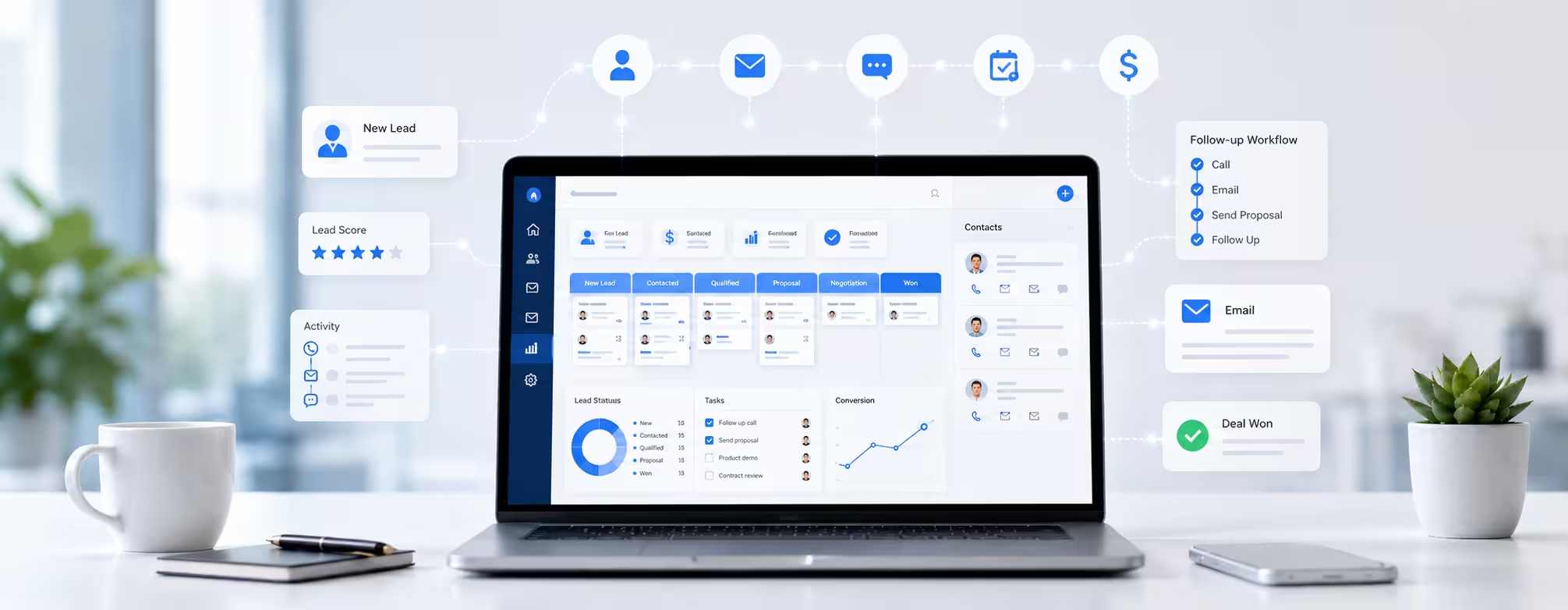
When sales slow down, the fastest reaction is often to increase the advertising budget. That can create more visits, but it does not automatically fix weak product pages, low trust, poor checkout experience, low repeat purchase or disconnected follow-up.
A healthier approach is to treat ecommerce as a complete growth system. Traffic is only the beginning. The business must convert that traffic efficiently, increase the value of each customer and create reasons for customers to return.
1. Start With Your Ecommerce Numbers
Before changing campaigns, identify what is happening inside the business. Review traffic, conversion rate, average order value, cart abandonment, repeat purchase, customer acquisition cost, top-selling products and low-performing categories.
- Which products receive traffic but do not convert?
- Which channels produce profitable customers rather than only orders?
- How many customers buy again within 30, 60 or 90 days?
- Where do customers drop out of the checkout journey?
The goal is to find the highest-value growth gaps before spending more.
2. Improve Product Discovery and Product Pages
Customers should quickly understand what you sell, why it is relevant and why they should trust your business. Category structure, search, filters, product naming, images, benefits, pricing, delivery information and reviews all influence conversion.
For large catalogs, simplify navigation around customer intent instead of forcing users to understand your internal product structure.
3. Build a Better Conversion Journey
A conversion problem can exist at several stages: landing page, collection page, product page, cart, checkout or payment. Improve one stage at a time and measure the impact.
4. Increase Average Order Value
Revenue can grow without adding more visitors when each order becomes more valuable. Use bundles, quantity offers, complementary products, threshold-based benefits and intelligently placed cross-sells.
The offer should help the customer make a better purchase, not simply push more items into the cart.
5. Build Repeat Purchase and Retention Systems
Many ecommerce businesses pay to acquire a customer and then stop communicating after delivery. Create structured post-purchase journeys using email, WhatsApp, CRM or marketing automation.
- Order education and usage guidance
- Replenishment reminders
- Cross-sell based on previous purchases
- Win-back campaigns for inactive customers
- VIP or loyalty communication for high-value customers
6. Use Customer and Revenue Intelligence
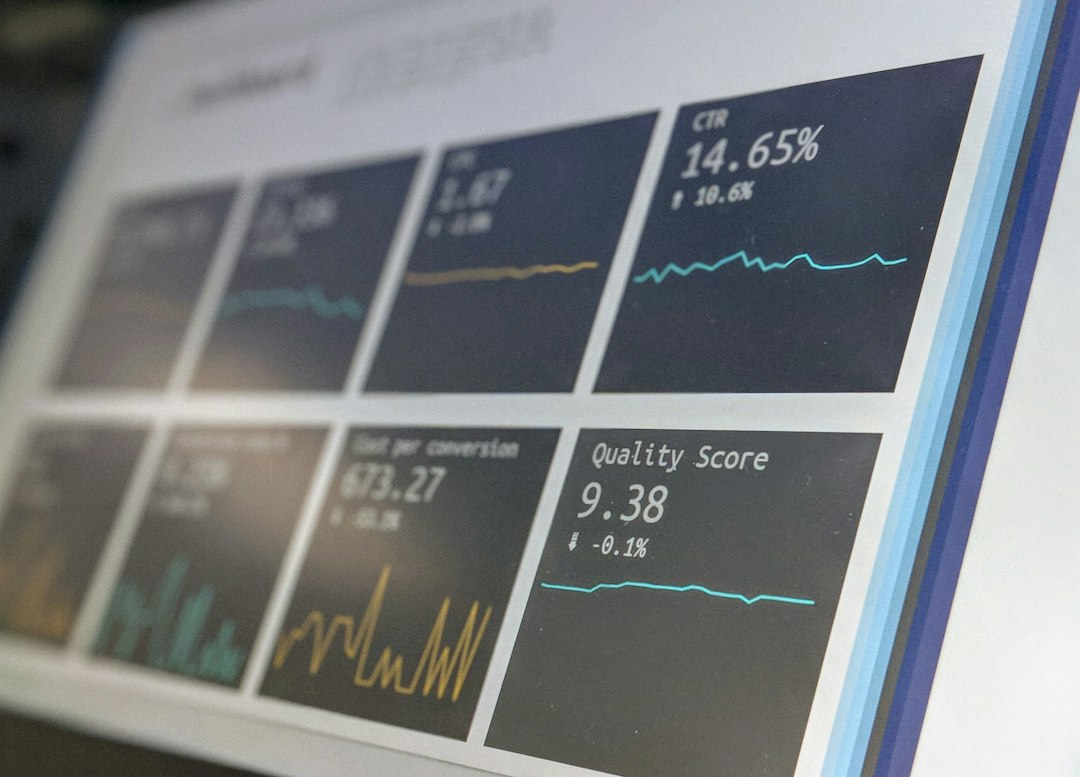
Do not look only at total monthly sales. Segment revenue by new vs returning customers, channel, category, product, location, campaign and customer cohort. This helps you understand where growth is actually coming from.
A simple dashboard can show which improvements deserve attention each week.
7. Create a 90-Day Ecommerce Growth Plan
Prioritize a small number of measurable improvements. A practical 90-day plan can include conversion fixes, retention automation, product-page improvements, analytics cleanup and one or two tests around offers or bundles.
Growth becomes more predictable when every initiative has an owner, KPI and review date.
Key Mistakes to Avoid
- Increasing ad spend before fixing conversion problems
- Running discounts without understanding margin
- Ignoring repeat customers
- Making decisions only from platform-level ad reports
- Adding too many tools without connecting customer data
Final Takeaway
Ecommerce growth is not only a marketing problem. It is a connected system involving acquisition, conversion, customer experience, retention, operations and data. Fixing the system gives paid advertising a stronger foundation and makes every marketing rupee work harder.
Apply These Ideas to Your Business
Move from insight to implementation with the solution that fits your current business stage.
Need help turning this into a practical implementation plan?
We connect business strategy, digital systems, AI, automation and data with clear implementation priorities.
